

Regulating in Culture
6 min read
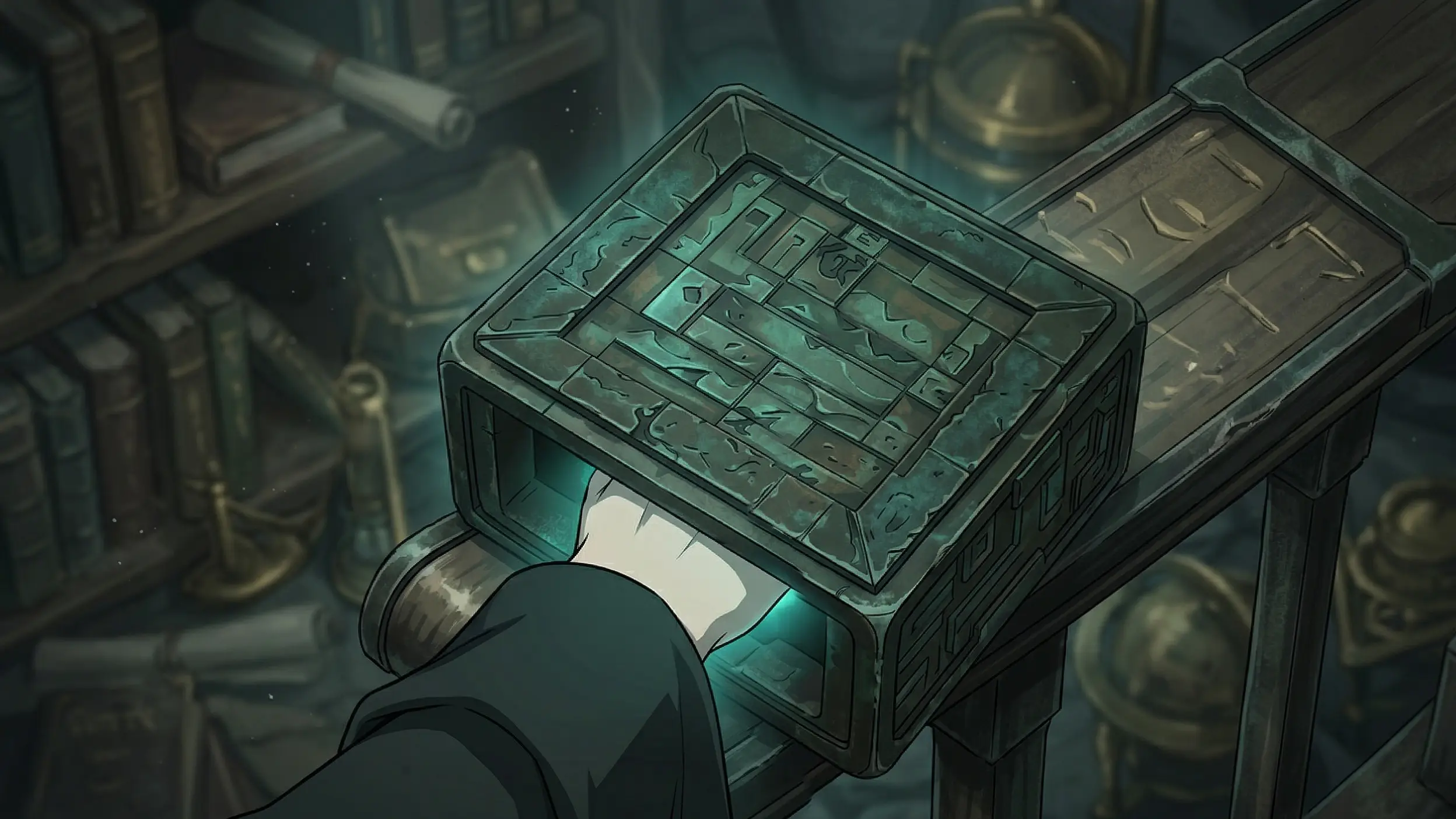
Near the beginning of Dune, the fear test is framed with severe simplicity. A hand goes into the box. Pain rises fast. A needle waits at the neck. The room is so still that the whole scene seems to sort itself into a clean verdict: remain still or fail.
The Scene That Looks Like Endurance
That is part of why the moment lands. It appears to offer a familiar moral. Strength means holding. Weakness means pulling away. The impressive person is the one who can override the body and pass the test.
But that reading is thinner than the scene itself. It notices endurance, yet misses the more interesting decision hiding inside it.
The More Important Fork Arrives Before the Choice
By the time the test becomes visible, fear is already in the room. Pain is already real. Survival pressure has already entered the body. The deeper question is not whether alarm exists. The deeper question is whether alarm gets to define the whole meaning of the moment.
That may be the real fork.
The heroic shift may not be becoming unafraid, and it may not be performing control so convincingly that fear disappears from view. It may be changing the relationship to sensation just enough that fear does not become the sole interpreter of reality. Then the scene stops being a lesson in stoicism. It becomes a lesson in proportion. Fear can speak in a loud voice without being handed the entire script.
That is a subtler kind of strength, but also a more usable one.
Why Intensity So Often Starts Writing the Whole Story
Many people were taught, directly or not, to treat intensity as evidence. A fast heartbeat must mean danger. Tightness in the chest must mean something is going badly wrong. The urge to flee must mean leaving is the only intelligent move.
This is part of why fear can feel so total. Sensation arrives, and the mind rushes to promote it into prophecy. The body says, something is happening. Alarm answers, I know what this means. Before long, the meaning of the moment has narrowed to one option: get out, shut down, brace harder, disappear.
Seen this way, the real problem is not fear itself. The problem is how quickly fear can become command structure. Once that happens, every feeling starts to sound like instruction. Every surge starts to feel final.
The Ordinary Places This Pattern Shows Up
The room in Dune is ceremonial, but the fork it shows is ordinary. It appears in smaller places, often without much drama on the surface.
A person sits in the car outside a medical appointment, hand still on the steering wheel, reading the body before they have even opened the door. Their stomach tightens, their thoughts begin racing ahead, and for a few seconds cancellation feels less like avoidance than like wisdom. Nothing external has happened yet. The system has simply moved very quickly from sensation to conclusion.
That same narrowing can arrive before a difficult conversation, in the middle of a grief wave, or late at night with a deadline still unfinished. Escape starts sounding intelligent. Silence starts sounding safer than contact. Collapse starts sounding like realism.
What Becomes Possible When Fear Is No Longer the Narrator
A different relationship to fear does not look glamorous. The heart may still pound. The hands may still feel cold. The body may still be full of resistance.
But something important changes when fear stops narrating the entire event.
Sensation can remain sensation for a little longer. Pain can be acknowledged without instantly becoming verdict. A rush of alarm can move through the system without automatically deciding what kind of moment this is. Then response widens, not because difficulty vanished, but because the meaning of difficulty has not yet been sealed.
This is where the scene in Dune starts to feel less like spectacle and more like recognition. The useful shift is not superhuman composure. It is the preservation of orientation under pressure. Just enough steadiness remains for one more thought, one more pause, one more choice that is not dictated by escape alone.
A Quieter Kind of Heroism
This version of heroism is easier to miss because it does not always look dramatic from the outside. It can look like a person staying with a hard conversation long enough to hear what was actually said, instead of what fear predicted would be said. It can look like grief arriving in full force without being mistaken for a permanent map of reality. It can look like someone noticing the inner command to run, yet not confusing that command with truth.
There is something mature in that. Not hardened. Not numb. Not polished into image.
Just less willing to let fear define the whole atmosphere of the moment.
That is a different aspiration from fearlessness. Fearlessness belongs to myth, performance, or memory after the fact. A changed relationship to fear belongs to lived life. It is available in meetings, waiting rooms, text drafts, family calls, and quiet private moments where nobody is applauding.
Why This Reading Feels More Human
It also restores dignity to experiences that do not feel heroic at all. Many difficult moments do not offer a grand test. They offer a spike of sensation, a narrowing of options, and a very small window in which a wider response might still survive.
That small window matters.
If fear is treated as the enemy, people often end up at war with their own bodies. If fear is treated as the whole truth, people end up obeying it as if it were prophecy. But if fear is understood as one force among others, urgent but not absolute, a more humane reading becomes possible. The body is alarmed. The mind is trying to make meaning quickly. The moment is real. And still, the moment may be larger than its first interpretation.
That feels closer to ordinary courage. Not the kind that erases shaking, but the kind that keeps company with shaking without handing over the wheel.
The Next Question That Naturally Follows
Once this earlier fork becomes visible, the whole conversation changes. The question is no longer whether a person can become untouched by fear. It becomes something more precise and more compassionate.
What decides the scale of a reaction once alarm arrives?
That question opens a more grounded path than the old demand to conquer fear. It suggests that intensity is not destiny, that the first surge is not the final meaning, and that the shape of a moment depends not only on whether fear appears, but on what fear is allowed to organize, how we respond to it, what tools we use to regulate that response, and whether we take the time to make that all-important choice before acting. From there, courage starts to look less like domination and more like relationship.
What to do next
Start with E.M.O.
Start with a guided nervous-system support experience.
Take the EFI
Get emotional clarity and identify your current regulation pattern.
1 on 1 Session
Work directly with guided support when you want faster progress.
