

De-Identified Training Case
From Excruciating Back Pain to Functional Relief in One EFT Session
When relief plateaus, better target precision often matters more than more force on the same sensation target.
Evidence of Change
The client described the pain in concrete sensory terms:
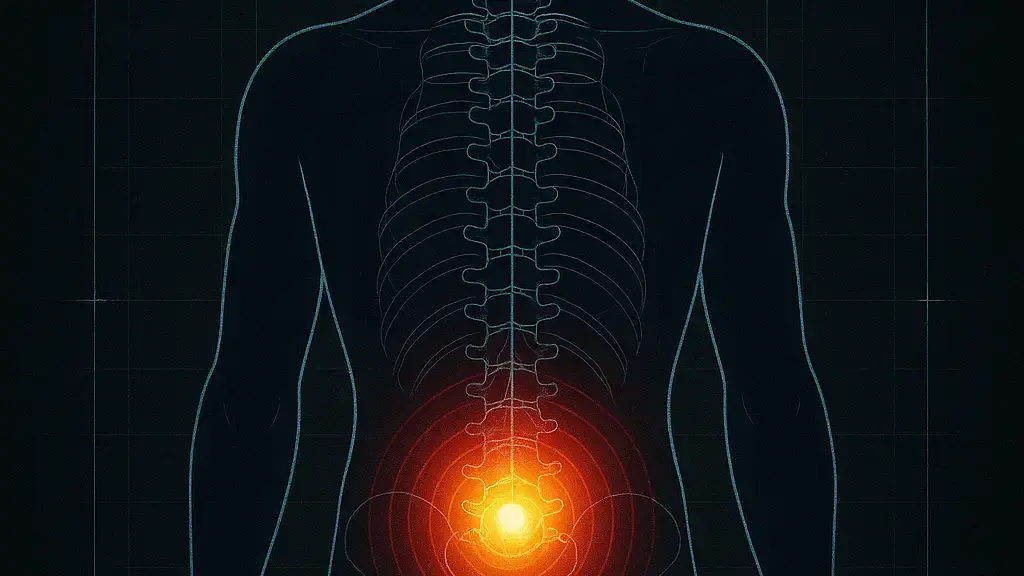
- location: lower back
- quality: sharp and radiating
- sensory image: intense pressure pattern
- intensity:
10/10
She also expected that if nothing changed, she might have to cancel evening plans because sitting, bending, and walking were all restricted.
Session Overview
The initial plan was to begin somatically and track shifts in real time.
We used:
- Talk and tap for immediate nervous-system downshift.
- Basic EFT rounds with exact client language.
- Full Basic with 9 Gamut when intensity stayed high.
- Ongoing SUD and movement checks.
After several rounds, the pain changed in character and intensity but plateaued (10 -> 7 -> 5). That pattern suggested there could be an emotional driver maintaining part of the load. At that point, the session focus shifted from sensation-only to sensation-plus-context.
Session Process
Phase 1: Sensation-Focused Rounds
The first rounds targeted the raw physical experience:
- "this intense, radiating low-back pain"
As rounds progressed, the sensory presentation became less intense and SUD dropped from 10 to 5. This indicated movement, but not full resolution.
Phase 2: Emotional Contributor Targeting
When asked what might be aggravating the pain, the client identified active workplace interpersonal stress and accompanying guilt/frustration.
We then tapped on those emotionally charged phrases using her own language. Two additional rounds were completed with full sequence support and targeted reminder phrases.
By the end of this phase, SUD dropped from 5 to 1.
Outcome
Immediate Outcome (same session)
- SUD decreased from
10/10to1/10. - Client moved from guarded movement to functional movement.
- She could sit, bend, twist, and walk with substantially less distress.
Functional Test
Instead of relying only on verbal relief, we checked function in real conditions:
- in-session movement testing showed clear change
- later that day in a normal activity setting, she moved more freely and did not wince when sitting or repositioning
Short Follow-Up
At next in-person check-in, she reported she had not needed pain medication in the days after the session and was surprised by that result.
Why This Worked
This case is a practical reminder that pain can be both sensory and stress-amplified.
The first rounds lowered physiological activation and reduced raw sensation. The second pivot, targeting emotionally loaded context, appeared to unlock additional relief that sensation-only work had not achieved.
In other words: when progress plateaus, the best next step is often not "more force" on the same target, but better targeting.
Start with E.M.O.
Start with a guided nervous-system support experience.
Take the EFI
Get emotional clarity and identify your current regulation pattern.
1 on 1 Session
Work directly with guided support when you want faster progress.
